

Five Days of Asian Junior Squash Came to an End in Panzhihua
2026-05-29
Panzhihua, China – May 24 —
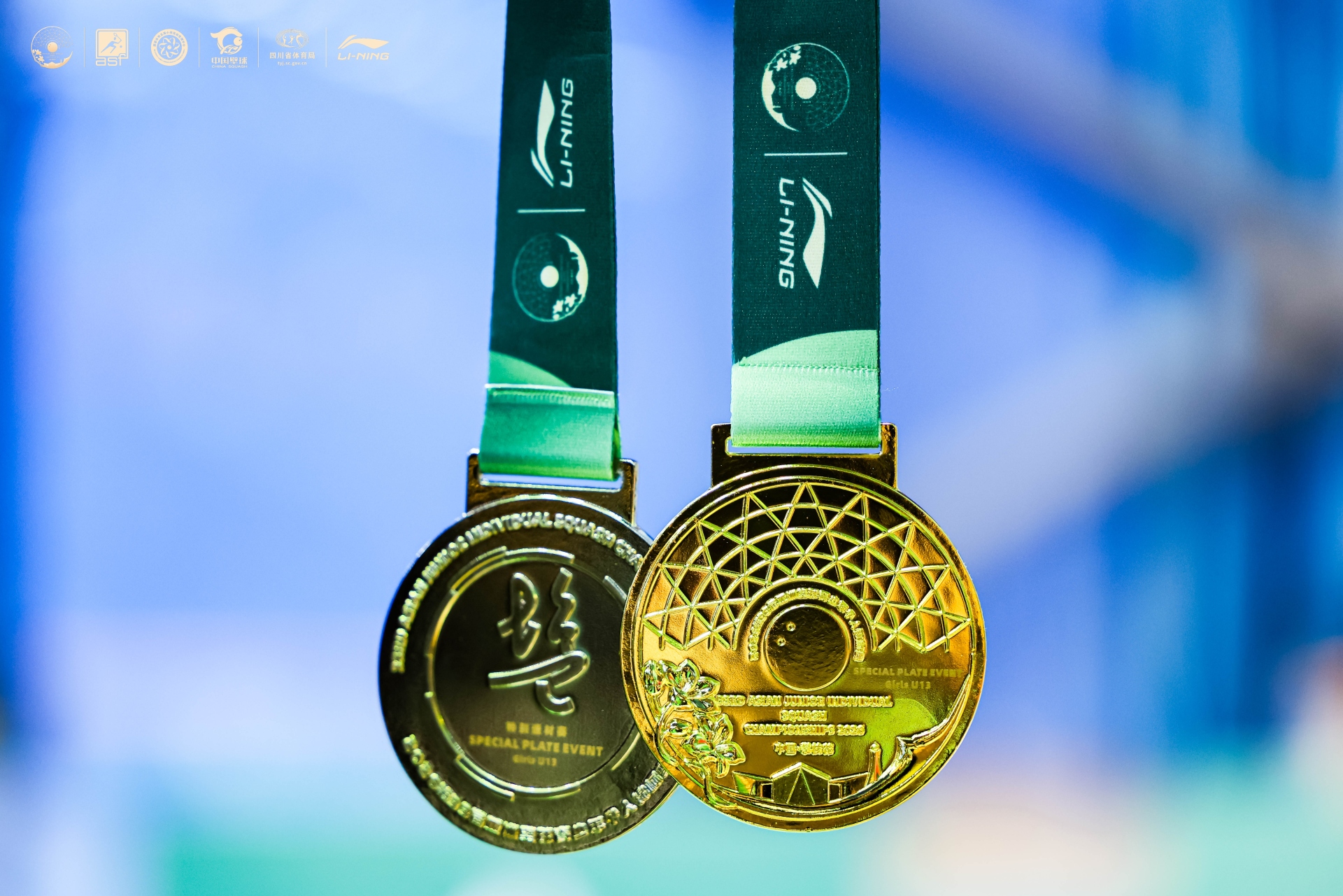
As the final ball hit the tin, five days of competition at the Li-Ning Cup 33rd Asian Junior Individual Squash Championships officially came to an end in Panzhihua, Sichuan Province.
A total of 259 players from 17 countries and regions competed across the Boys’ and Girls’ U13, U15, U17, and U19 categories. For some players, it was their first appearance on the Asian stage. Others arrived as top seeds carrying expectations — and left having lived up to them.
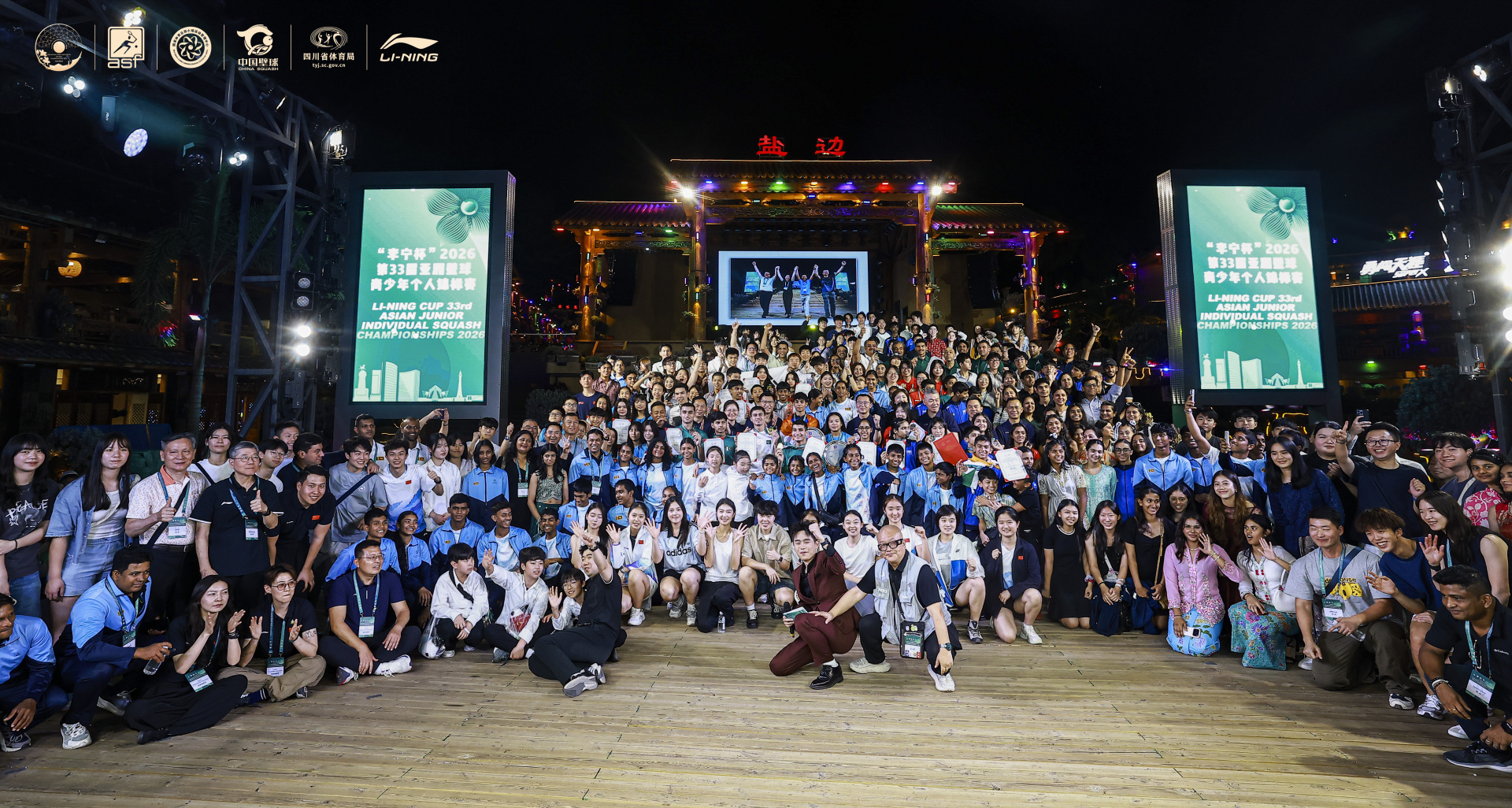
By finals day, the atmosphere inside the venue had noticeably changed.
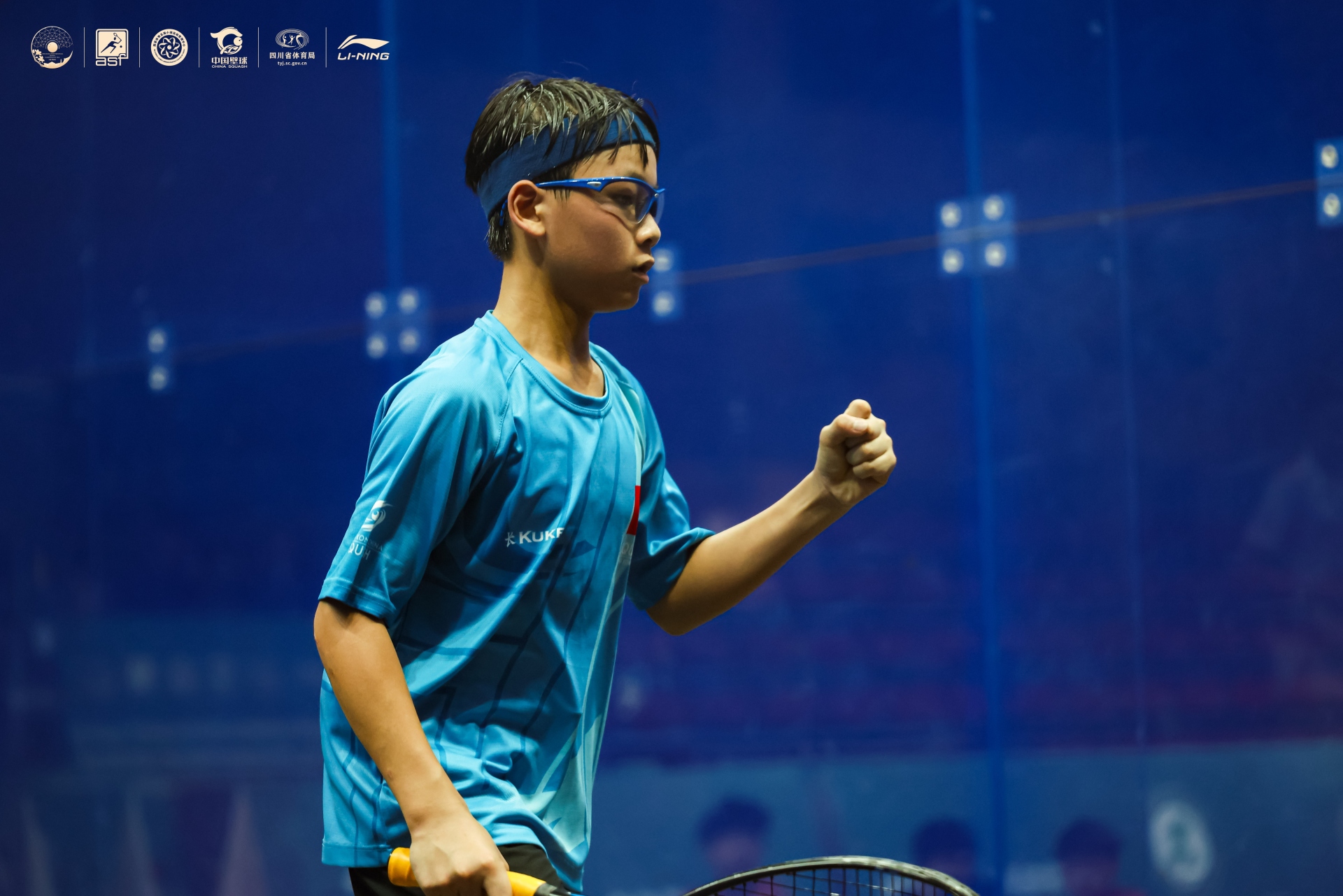
In the Boys’ U13 final, Hong Kong China’s Leung Ngo San staged one of the tournament’s most dramatic comebacks, recovering from two games down to defeat India’s Amarya Bajaj 3-2.
Pakistan’s Ahmad Rayyan Khalil produced a dominant performance in the Boys’ U15 final, defeating Malaysia’s Vidhurran Ruthiran in straight games.
The Boys’ U17 final once again delivered an intense India-Pakistan rivalry match. India’s Shiven Agarwal claimed the opening game, but Pakistan’s Nauman Khan gradually took control of the match and secured the title 3-1.
In the Boys’ U19 final, India’s Aryaveer Dewan looked composed throughout as he defeated Korea’s Jonghyeok Lee in straight games.
On the girls’ side, Singapore’s Kareena Sashikumar claimed the Girls’ U13 title after a commanding performance against Japan’s Rio Yoshino.
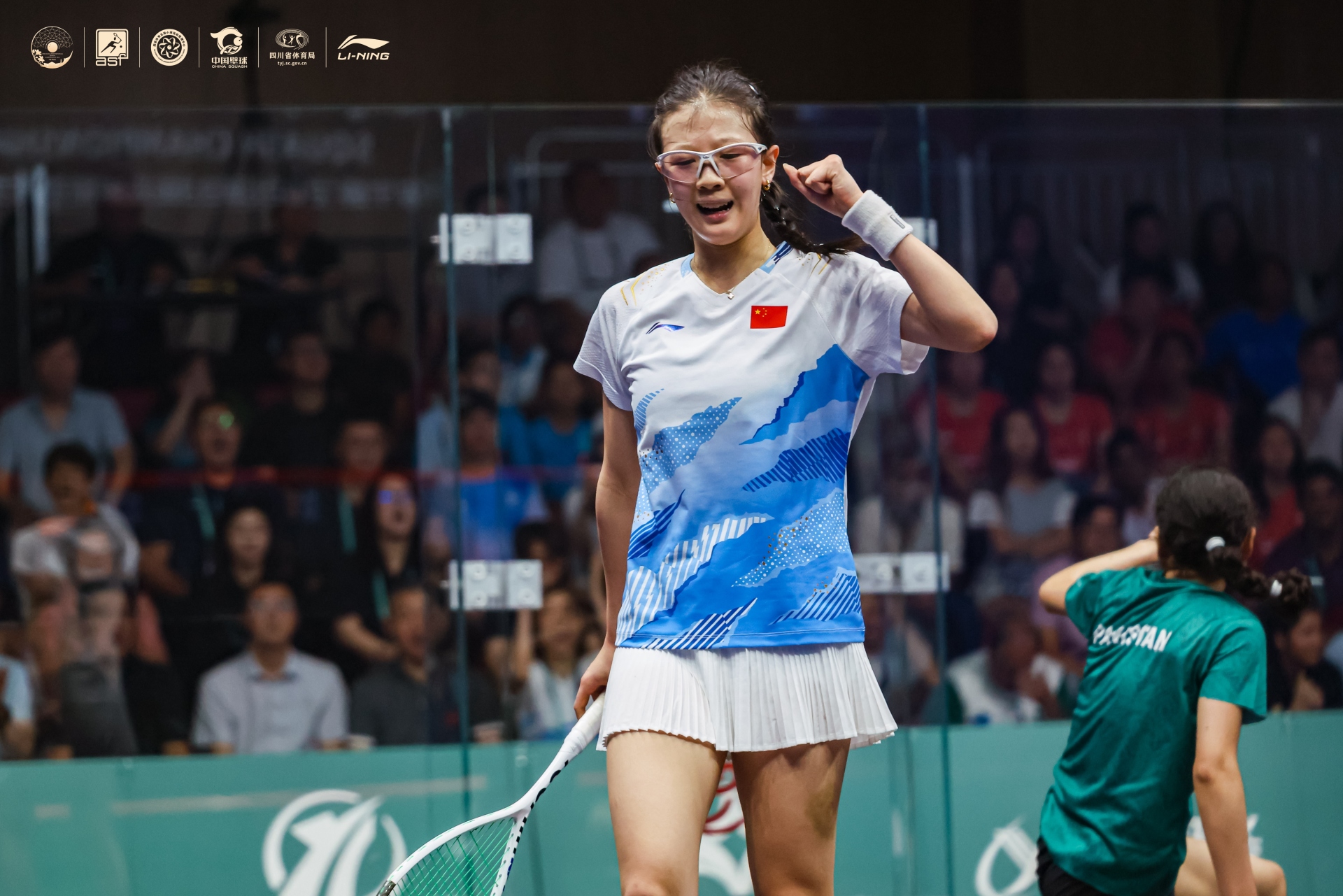
The Girls’ U15 final became one of the tightest matches of the day, with all three games decided by narrow margins. China’s Yin Ziyuan eventually edged past Pakistan’s Mahnoor Ali 3-0.
Malaysia’s Harleein Tan came from one game down to defeat India’s Anika Dubey in the Girls’ U17 final.
The final match of the tournament saw Hong Kong China’s Helen Tang defeat Malaysia’s Whitney Isabelle Wilson 3-1 in the Girls’ U19 final.
Yet beyond the results themselves, the week in Panzhihua also reflected something larger happening within Asian junior squash.
More countries are becoming competitive at youth level. More players are arriving with stronger physicality, better match awareness, and increasingly international training backgrounds. Across the courts, different playing styles collided — from the relentless pace of South Asian players to the precision and structure often seen from East Asian athletes.
For five days, Panzhihua became a glimpse into the future of Asian squash.
When the tournament ended, players quickly began leaving the venue — some with medals, some with disappointment, and many already thinking about the next event ahead.
For most of them, this was not the end of a journey.
It was only the beginning.